

It is no exaggeration to say that the Scottish capital is positively brimming with talent. Many distinguished figures have been born and live there, their potential allowing them to excel in the most diverse fields and, of course, achieve remarkable results. From scientific breakthroughs to incredible works of art, these individuals prove there are no limits to human capability. One must only nurture the gift they are born with. In doing so, they are bound to create something interesting, unusual, and captivating to the public. This, of course, also helps them make their mark and, consequently, gain admirers and connoisseurs. More at edinburghski.
George Jamesone is one of the most distinguished representatives of Edinburgh’s culture. His talent undoubtedly earned him both fame and public adoration. It is for good reason that he later came to be regarded as Scotland’s first great portraitist. His admirers were drawn mainly from the nobility, and even included monarchs. Surely, what better proof of true success—and extraordinary creative ability—could there be?
Early Life and a Legendary Apprenticeship
The future artist was born around 1587. After finishing school, George continued his studies at Marischal College.
However, regarding Jamesone’s training, one crucial detail is worthy of attention.
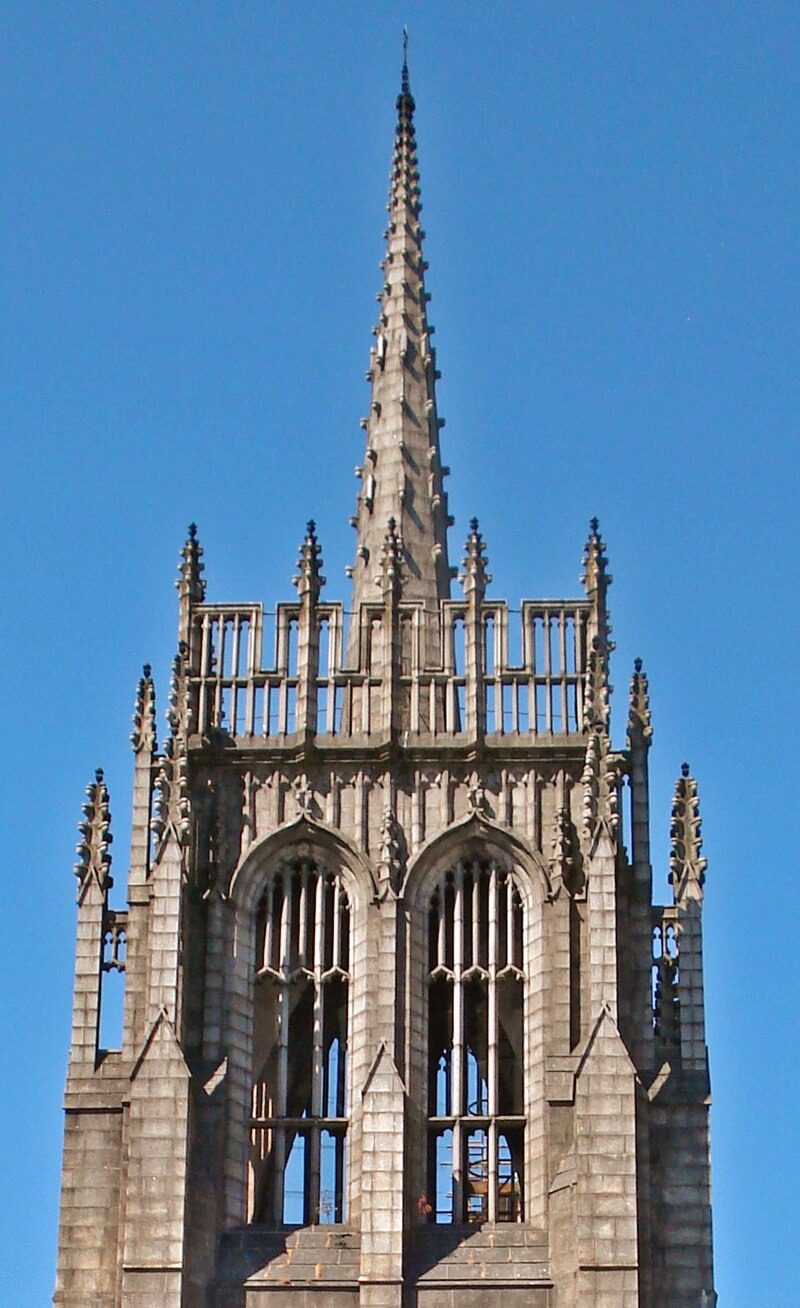
There is a legend that Jamesone was fortunate enough to study under Rubens himself in Antwerp. This cannot be definitively proven; one of the main arguments against it is the absence of his name in the city’s guild registers. However, there is another interesting fact that keeps the theory alive. Rubens, it is explained, was exempt from the obligation to register his pupils. It is, therefore, entirely possible that George was indeed among them.
A Helping Hand from a Relative
However, aside from the Rubens story, Jamesone’s biography must also include his uncle, John Anderson. He, too, was a popular Edinburgh artist, and he played a crucial role in ensuring his nephew received a proper education.
The Portrait of a King
It is important to note that portraits hold a special place in Jamesone’s work. In fact, it was portraits that gradually became the key focus of his artistic activity.
However, when Charles I visited Edinburgh in 1633, George’s popularity truly soared. Jamesone was given the honour of painting the monarch’s portrait. The result impressed the King immensely, and as a reward, he gifted George a ring from his own finger.
True Success and Widespread Acclaim
It is fair to say that the portrait of Charles I was a pivotal work for Jamesone. After this colossal success, there was a surge in demand among the Scottish nobility. Everyone dreamt of acquiring at least one canvas by the talented master’s hand.
And as George owned houses and studios not only in Edinburgh but also in Aberdeen, he easily fulfilled the dreams of hundreds of clients. This meant the artist created numerous paintings for private collections.
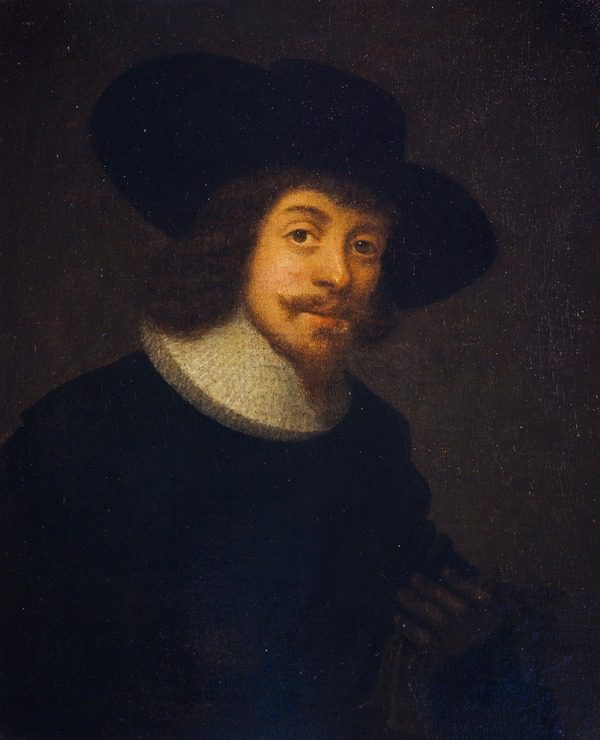
Thus, George Jamesone stands as one of Scotland’s most brilliant artists. It is no exaggeration to say that this man dedicated his life to art. He spared no time or effort in studying numerous techniques and, of course, in honing his own skills to perfection.
But the chief admirers of Jamesone’s work were, perhaps, the nobility and even royalty. As is well known, they possess the most refined tastes, yet the artist managed to win them over. That is why most of them dreamt of having portraits and paintings by George’s hand.
In addition to all the above, it must be noted that Jamesone’s entire journey proves once again just how extraordinary Scotland is. Edinburgh, in particular, is the finest example of this. Even in those distant times, the city knew how to value talent highly. Above all, it had a keen appreciation for the beauty that art so generously shares.
As we know, demand creates supply. This is likely why the Scottish capital had so many schools where famous artists shared their knowledge with young pupils. Of course, such classes were not held only in Edinburgh, or only in Scotland. It is just remarkable that, one way or another, so many figures found true fame right there.
Jamesone was no exception. Regardless of where he studied or travelled, it was Edinburgh that gave him his true recognition. After all, it was there that he caught the eye of Charles I himself. This, in turn, led to the immense popularity of the artist’s work.
When George Jamesone’s life came to an end in 1644, he found his final resting place in the famous Greyfriars Kirkyard. There, his grave lies among other talented and well-known individuals. Therefore, anyone fortunate enough to visit Edinburgh has the opportunity to see the burial site of one of Scotland’s most famous portraitists. And, of course, to recall his remarkable story, which was crowned with success, fame, and high acclaim.