

Edinburgh’s film culture is not just widespread; it’s incredibly vibrant. It’s a scene that has united an impressive array of talented individuals, creating a truly captivating atmosphere. Learn more at edinburghski.
In fact, Edinburgh has gifted the world so many renowned actors, directors, and screenwriters that it could easily be called a “movie capital.”
However, beyond the incredible pool of talent, major events play a crucial role in nurturing the film industry. These festivals are essential for discovering and promoting new artists. In this regard, the Edinburgh International Film Festival (EIFF) is a perfect example of such a driving force.
What’s more, the festival’s history dates all the way back to 1947, making it one of the longest-running film festivals in the world. Can you imagine the value the EIFF holds not just for Edinburgh, but for global culture? The festival also boasts a unique story that deserves its own spotlight.
The Story Begins
It’s important to note that the EIFF began with a slightly different focus. When it was first held in 1947, it was launched as the International Festival of Documentary Films. Naturally, all the films presented fit this theme. The festival was inaugurated by none other than John Grierson, the founder of the British documentary movement. Early audiences were treated to works by legendary directors like Robert Flaherty, Jacques Tati, Roberto Rossellini, and Norman McLaren.
Reaching the World Stage
In those early years, only two annual film festivals held massive prestige: Cannes and Venice. It seemed that the EIFF might never reach their level, destined to be a one-off event or a purely local affair.
However, fate had other plans. The festival not only managed to catch up to its famous counterparts but also significantly expanded its programming. Gradually, it began to showcase not just British films, but international features across various genres.
A Core Mission
When discussing the history of the EIFF, it’s crucial to highlight its founding mission: to support and champion new talent. This principle is clearly visible throughout the festival’s history.
It has actively helped launch the careers of fresh voices in cinema, notably by showcasing the groundbreaking films of directors like Stephen Frears, Bill Forsyth, and Danny Boyle.
Festival Innovations
Another unique feature of the EIFF is that it was one of the first festivals to introduce retrospectives in the early 1970s. In film, a retrospective is a curated selection of a director’s work over a period, designed to highlight their core themes and style. The EIFF’s first retrospectives were dedicated to Werner Herzog, Douglas Sirk, and Martin Scorsese.
Interestingly, this programming feature eventually became a standard for many film festivals worldwide.
Spotlight on Women in Film
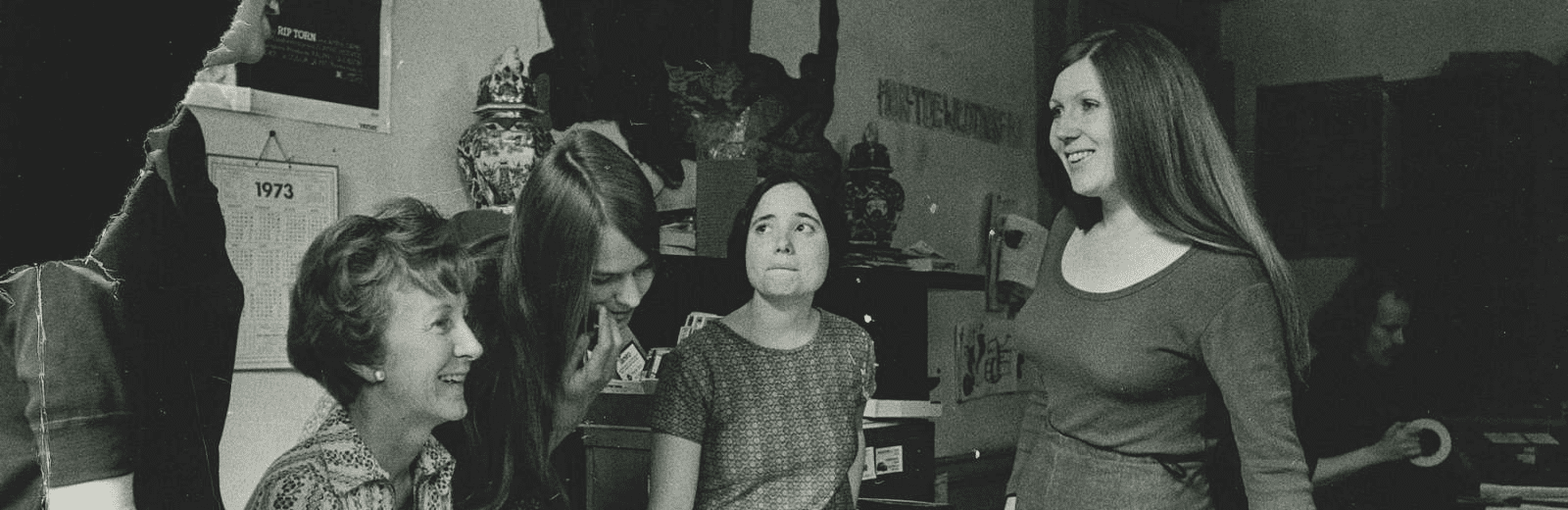
The history of the EIFF includes another pioneering feature that made the event truly unique.
In 1972, the Women’s Film Festival became a part of the EIFF, exclusively featuring films directed by women.
Lynda Myles served as its director from 1973 to 1980. At the time, there was nothing else like it in Europe. The very fact that a woman was leading a major film festival component was also a groundbreaking achievement.
The Television Festival
Another fascinating innovation was the Edinburgh International Television Festival, founded in 1977. Held as part of the main event, this five-day festival boasted a rich and diverse program that went beyond film screenings.
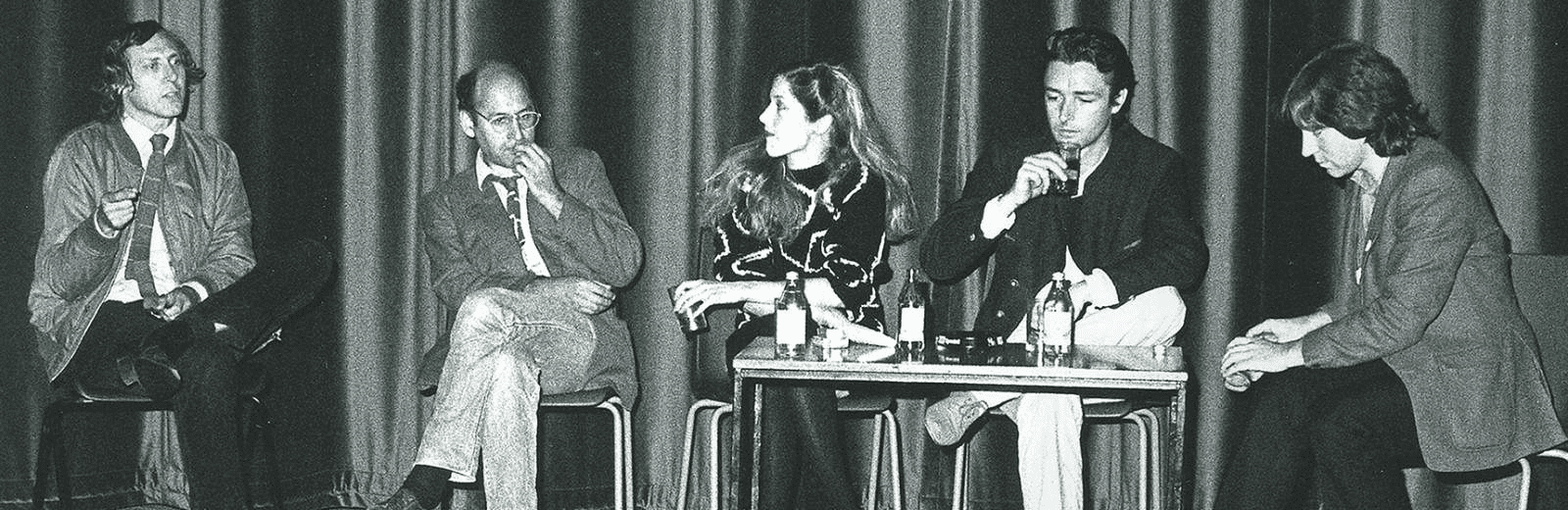
A standout event was the annual James MacTaggart Memorial Lecture, dedicated to the influential Scottish television producer, director, and writer.
Of course, the uniqueness of the Edinburgh International Film Festival isn’t limited to these highlights. Its history is filled with countless other fascinating details that make the event truly remarkable and add to its special appeal for audiences.
The fact that the EIFF managed to reach the prestigious level of Cannes and Venice so soon after its inception is a testament to the immense talent and potential of its organizers and participants.
This early success was a defining achievement. It likely sealed the festival’s future, because after all these years, the event remains one of the most vibrant, anticipated, and exciting on the cultural calendar. Each year, its program proves to be a genuine discovery, leaving no film lover indifferent.